
Latest update:
- 4 minute read
Sponsored Content
The Best Iron Supplement of 2026: A Buyer’s Guide
Which iron supplements actually work and which ones are just making you sick?
Editor’s Note (March 2026): The #1-Rated Iron we reviewed below just launched a limited-time Spring deal.
AUTHOR’S NOTE: If you’re trying to find the best iron supplement online, you’re in the right place. We tested the top 5 brands. This article reveals why most iron formulas fall short, and which one ranked as the #1 product of the year.
Low Iron is Common.
Finding an Iron Supplement You Can Stick With is Not.
Most people don’t start looking for an iron supplement on a whim. They get blood work back showing low iron, or they’ve been exhausted for months and finally connect the dots. Either way, by the time someone starts researching iron, they usually already know they need it.
What they don’t expect is how hard it can be to find one they can actually take. Constipation, nausea, and stomach pain from traditional iron supplements are so common that many people cycle through products for months or give up entirely.
This guide breaks down what’s actually in most iron supplements, why some forms work better than others, what to look for if you’ve struggled with iron before and what the best iron supplement of 2026 is.
IRON SUPPORTS MULTIPLE BODY SYSTEMS
🩸 Red Blood Cell Production
⚡ Energy and Oxygen Transport
🧠 Mental Clarity and Focus
💪 Muscle Function and Strength
🛡️ Immune System Health
🌿 Overall Vitality
Why Do You Need Iron Supplements?
Your body needs iron to make red blood cells. Red blood cells carry oxygen to your muscles, your brain, and your organs. When iron levels drop, your body can’t move oxygen as efficiently and that’s when you start to feel it.
Common signs your iron may be low:
● Constant fatigue or low energy
● Difficulty concentrating or brain fog
● Shortness of breath with light activity
● Frequent infections or weakened immunity
● Pale skin or brittle nails
● Headaches or dizziness
Food helps, but it’s not always enough, especially if you menstruate, are pregnant, or follow a mostly plant-based diet. In those cases, an iron supplement can help restore healthy levels.
But not all iron supplements work the same way. The type of iron you take matters more than many people realize (and it’s usually why people quit!)
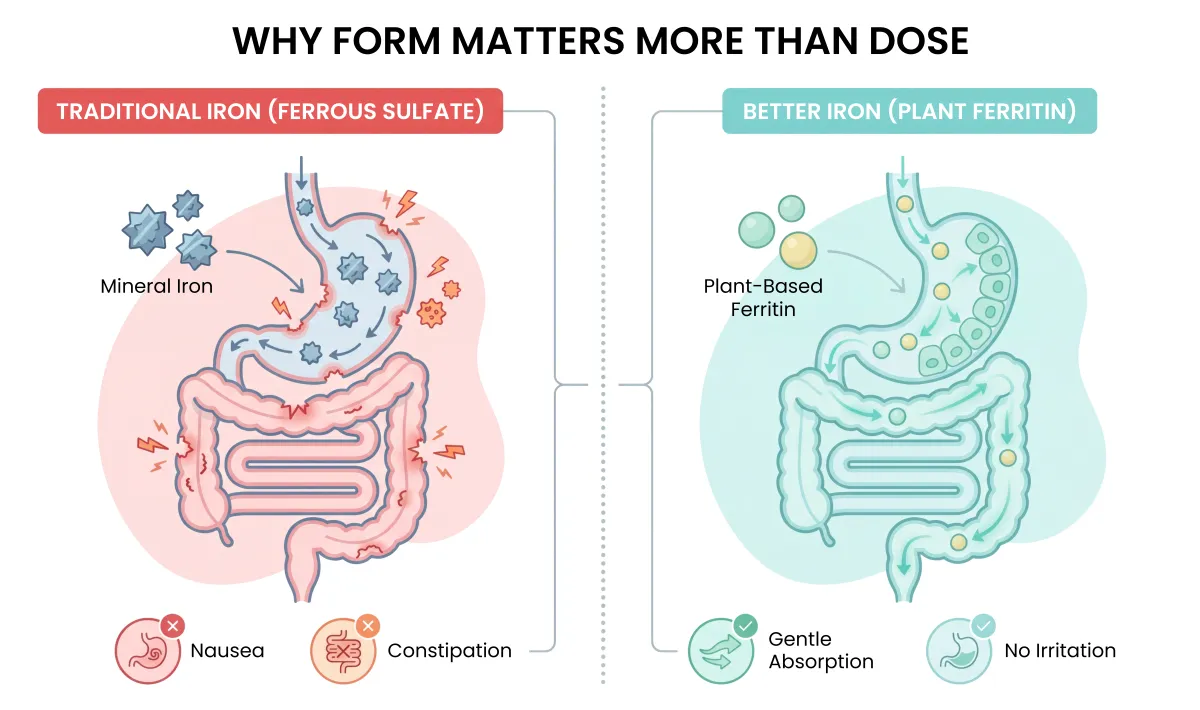
This image is illustrative and intended to represent general concepts. It does not depict actual clinical results or specific individuals.
Conventional iron supplements are typically derived from mineral salts, which can be difficult for the digestive system to process. Plant-based forms of iron work differently and are absorbed through a mechanism that tends to be better tolerated.
Doses & Side Effects
More iron isn’t always better.
Many conventional iron supplements deliver a large amount of iron at once. Because the body can only absorb a portion at a time, the excess often remains in the digestive tract, which is why common side effects like constipation, nausea, and stomach discomfort are so frequently reported.
This is one reason many doctors now focus not just on the dose of iron, but how it’s delivered.
And how it's delivered comes down to one thing: the form.
The Different Forms of Iron Supplements
🟢 Plant-Based Iron (SloIron®): Fermented from organic peas, naturally stored in ferritin, provides slow-release absorption. Clinically validated, gentle on the stomach, and the most natural form available.
🟢 Iron Bisglycinate (Ferrochel): A chelated form that’s better absorbed than ferrous sulfate, with fewer digestive side effects. Still synthetic, but more tolerable.
🟢 Ferrous Sulfate: The cheapest form, but also the most likely to cause constipation, nausea, and stomach upset. High doses (65 mg+) overwhelm the digestive system.
🟢 Iron Polysaccharide: A complex form that some claim is gentler, but often contains additives and fillers that complicate absorption.
DID YOU KNOW?
Over 90% of iron supplements use conventional mineral salt forms like ferrous sulfate. Ferritin-based iron — like SloIron® — is a newer category backed by 7 human clinical studies, making it one of the most researched plant-based iron ingredients available.
TOP 5 SHOPPING MISTAKES
❌ Buying the cheapest – If a product is under $10, it’s likely low-quality ferrous sulfate with poor absorption. This directly minimizes results and maximizes side effects.
❌ Choosing high-dose iron (65 mg+) – Most people don’t need this much iron per dose. High doses increase constipation, nausea, and stomach pain. Less is more when it comes to iron.
❌ Ignoring the iron source – Ferrous sulfate is cheap but harsh on the digestive system. Plant-based and chelated forms are generally better tolerated and may improve consistency.
❌ Synthetic or low-quality ingredients – Avoid supplements with unnecessary binders, fillers, or synthetic additives that can irritate your stomach.
❌ No clinical validation – If the brand doesn't mention clinical studies or third-party testing, you have no way to verify what you're actually getting.

Best Iron Supplements of 2026
We evaluated dozens of iron supplements based on ingredient quality, iron form, dose, tolerability, and clinical research. These five iron supplements ranked the highest overall.
Plant-Based Iron
✓
✓
✕
✕
✕
Clinically Validated
✓
✓
✕
✕
✕
Gentle on Stomach
✓
✓
✓
✕
✓
No Fillers or Additives
✓
✕
✓
✕
✕
Once-Daily Capsule
✓
✓
✓
✓
✓
90-Day Money-Back Guarantee
✓
✕
✕
✕
✕
FDA/GMP Certified
✓
✓
✓
✓
✓
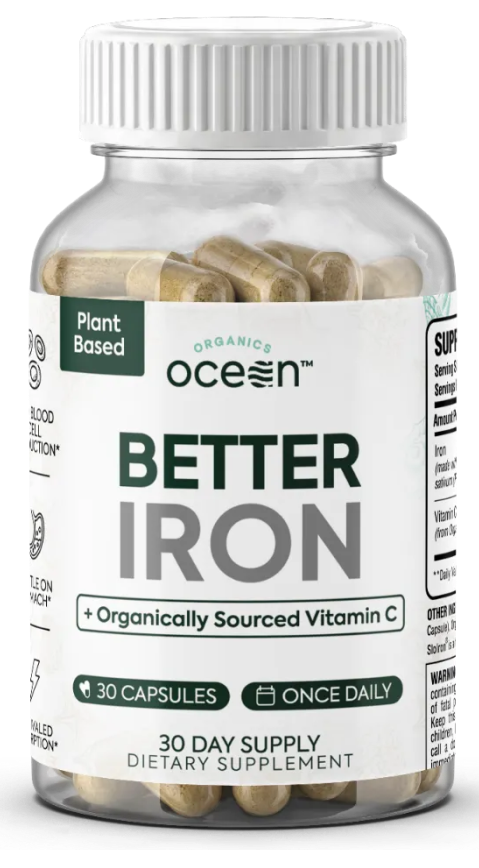
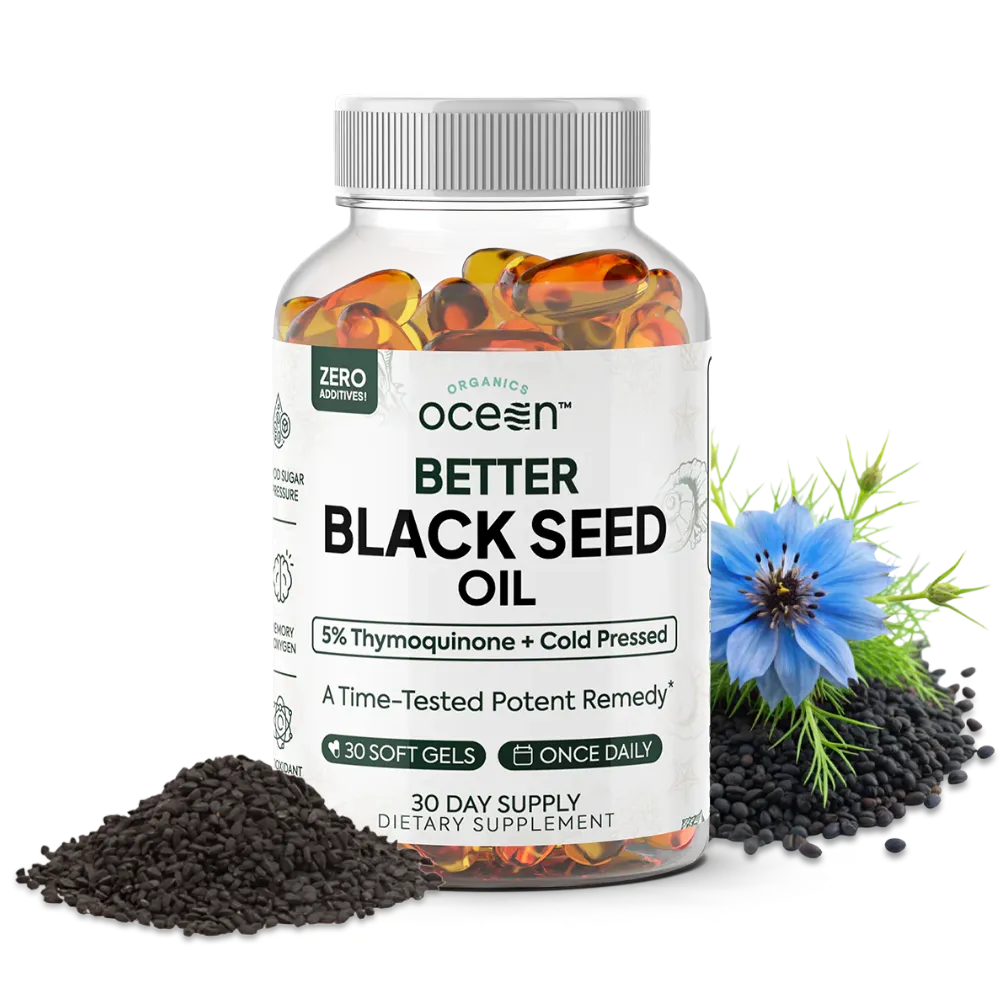
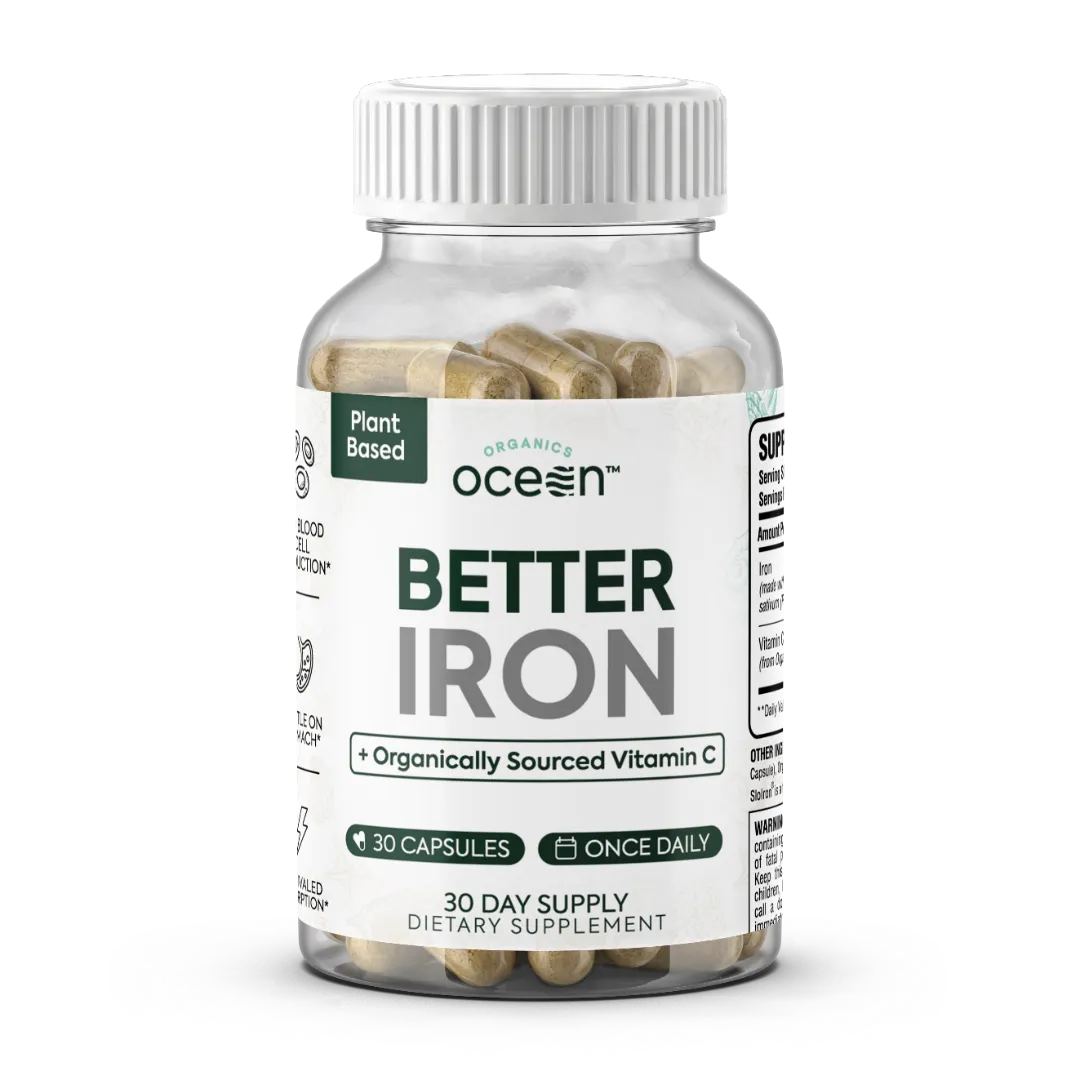
1: Better Iron
by Organics Ocean
Based on 4.8 Average Reviews

A+
RATING
90 Day Money Back Guarantee
Spring Promotion Detected
PROS
Raised iron levels without side effects in 7 clinical studies*
Slow-release absorption — gentle on your stomach*
Only 10 mg needed — better absorption means less iron*
Enhanced with Vitamin C for maximum uptake*
One capsule a day
100% plant-based, vegan
Free from 9 common allergens
No synthetic fillers or additives
Non-GMO, third-party tested
Made in USA — FDA-registered, GMP-certified
90-day money-back guarantee
CONS
Can sell out due to limited production runs
Only available on their official website
The Bottom Line
This is the highest quality iron supplement on the market for people who struggle with the side effects of traditional iron.
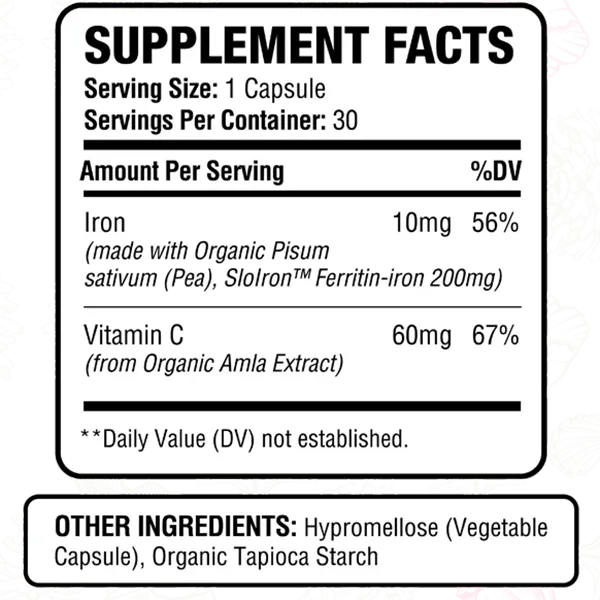
It combines 10 mg of plant-based iron (SloIron®, from fermented organic peas) with 60 mg of Vitamin C from organic Amla extract to support absorption. The dose is the lowest among premium brands, which means maximum tolerability and zero reports of constipation or nausea.
The natural slow-release ferritin system works with your body’s own absorption pathways, delivering steady iron levels without the digestive upset that plagues other supplements.
It contains only organic, plant-based ingredients. No fillers. No synthetic additives. And you only take one capsule per day.
It’s third-party tested, made in FDA/GMP-certified facilities, and comes with a 90-day return policy, something very few competitors offer. And unlike many brands, it publicly lists its ingredient sources and clinical studies.
If you’re serious about raising your iron levels without the digestive side effects commonly associated with traditional iron supplements, this is the supplement for you.
Tap “LEARN MORE” to check availability and see if their new-customer discount is still active.
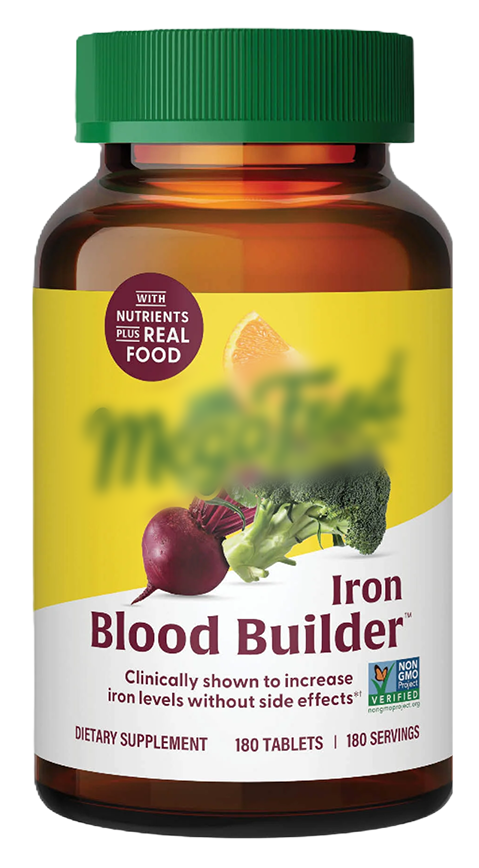
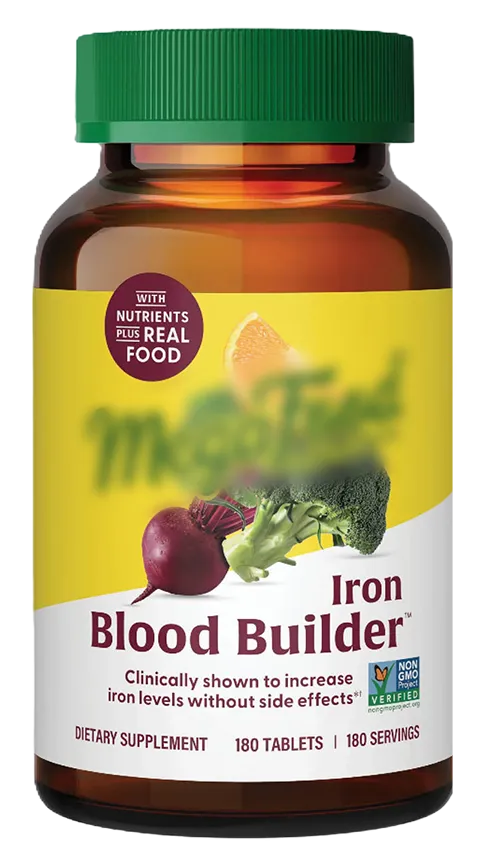
2: Blood Builder
by Organics Nature
By MegaFood

B
RATING
PROS
Uses iron bisglycinate (Ferrochel) for better absorption
Generally non-constipating formula
NSF Certified for Sport
Gluten-free and minimal additives
CONS
Not plant-based (synthetic chelated form)
Higher dose (25 mg) than necessary for most people
No clinical studies specific to this brand
Not organic
The Bottom Line
Blood Builder is a solid food-derived option with clinical validation showing it increases iron levels without constipation or nausea. The formula includes B12 and folic acid, which support red blood cell production, making it a more complete option.
However, the 26 mg dose is more than double Better Iron’s 10 mg, which means more potential for digestive sensitivity. It’s also not certified organic, and it contains processing aids like silica.
The price is comparable to Better Iron, but you’re paying for a more complex formula rather than a more refined and gentle one.
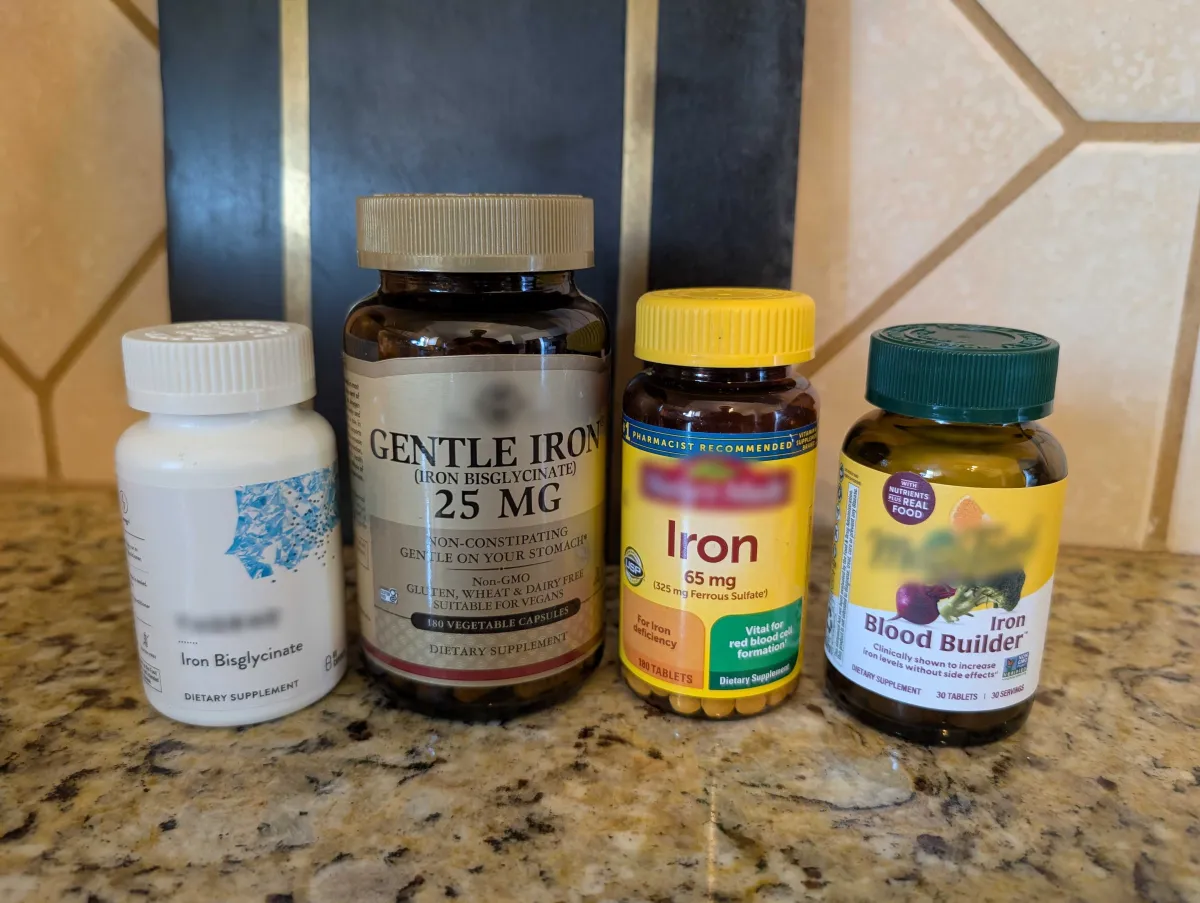
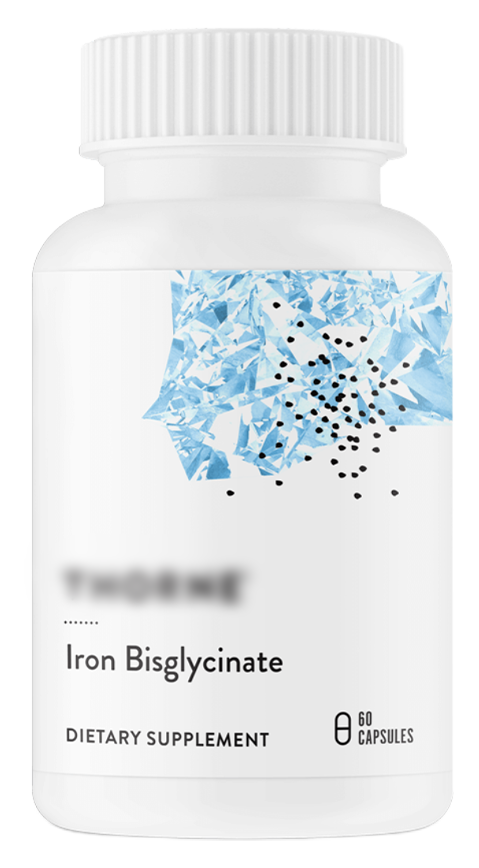
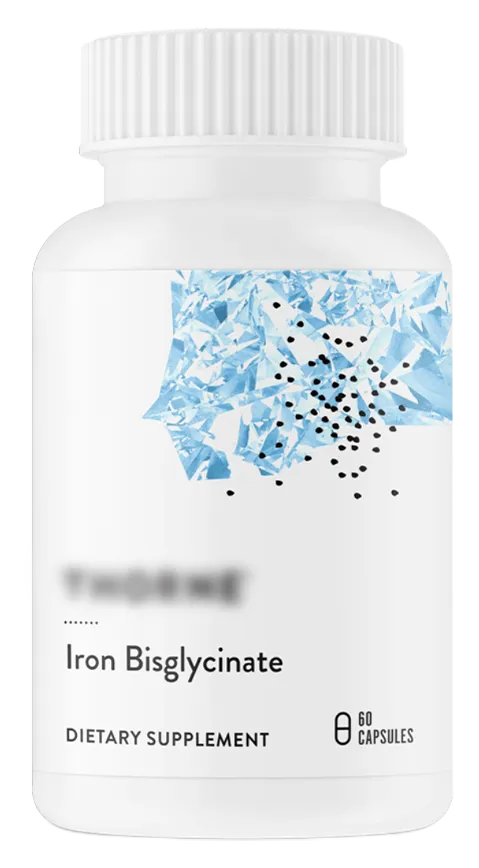
3: Iron Bisglycinate
By THORNE Research
by Nutracueticals

B-
RATING
PROS
Uses iron bisglycinate (Ferrochel) for better absorption
Generally non-constipating formula
NSF Certified for Sport
Gluten-free and minimal additives
CONS
Not plant-based (synthetic chelated form)
Higher dose (25 mg) than necessary for most people
No clinical studies specific to this brand
Not organic
The Bottom Line
Iron Bisglycinate offers a well-absorbed iron form that’s gentler than ferrous sulfate. At 25 mg per capsule, it’s a solid mid-range option for people who tolerate standard iron poorly.
The chelated form (Ferrochel) does improve absorption, and the NSF certification adds credibility. However, it’s still a synthetic form of iron, not plant-based or organic. The dose is also significantly higher than what most people actually need, which can still cause digestive issues for sensitive individuals.
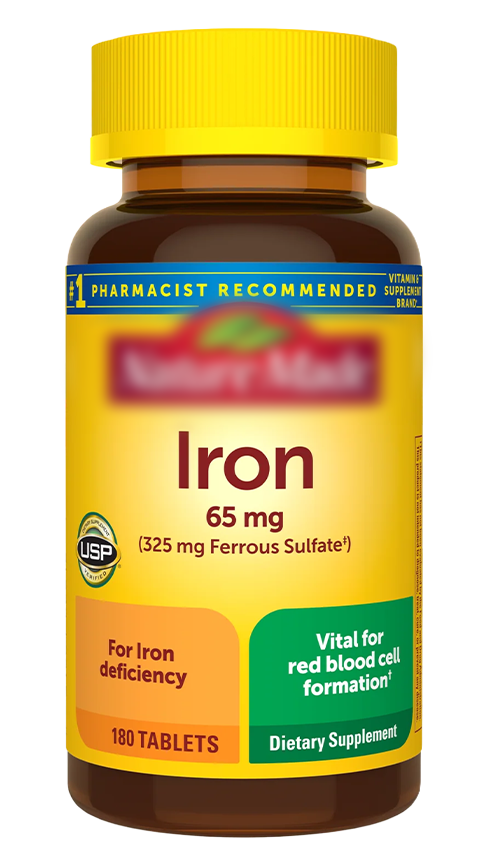
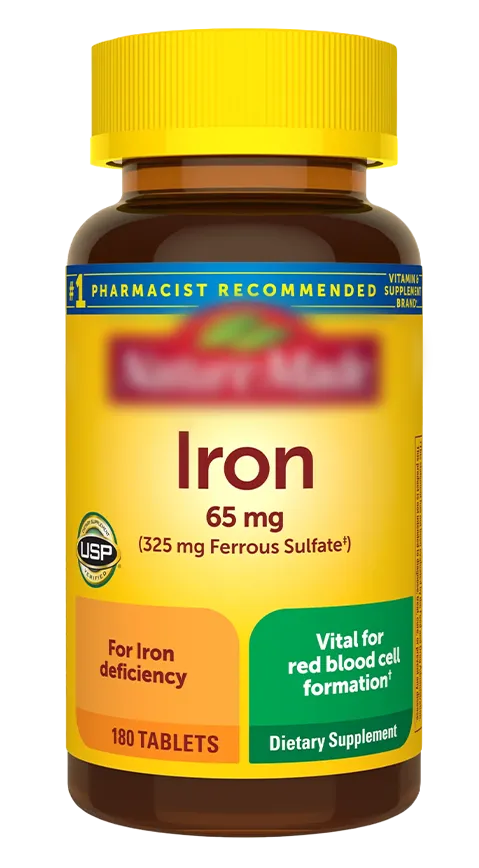
4: Iron Supplement
By Nature Made
by Healths Harmony

C
RATING
PROS
Very affordable ($5-10 per bottle)
Widely available
CONS
Uses ferrous sulfate (65 mg) – the harshest form of iron
High dose causes constipation and nausea in most people
Not plant-based or organic
No clinical studies
Contains multiple additives and fillers
No third-party testing beyond USP verification
The Bottom Line
This iron is the budget option, and you get what you pay for. At 65 mg of ferrous sulfate, this is the form most likely to cause the side effects people hate: constipation, nausea, and stomach upset.
While the price is attractive, the high dose and poor absorption mean many people stop taking it after a few days due to digestive issues. You could end up wasting money if it doesn’t work well for you.
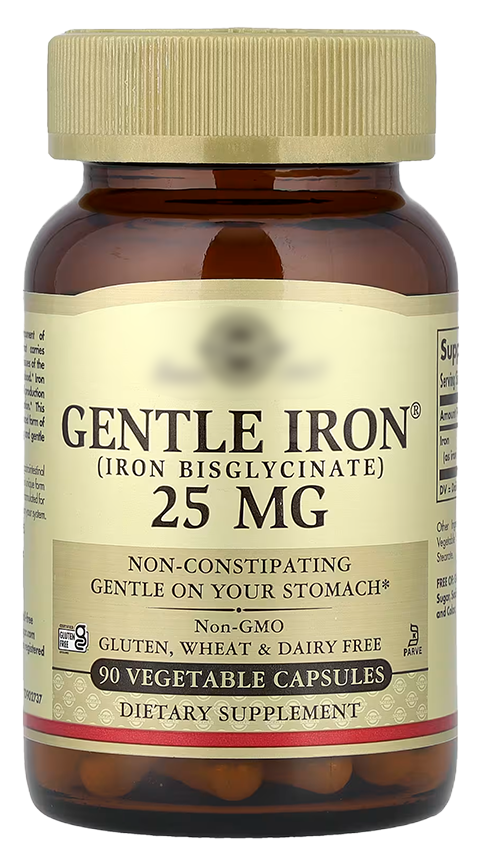
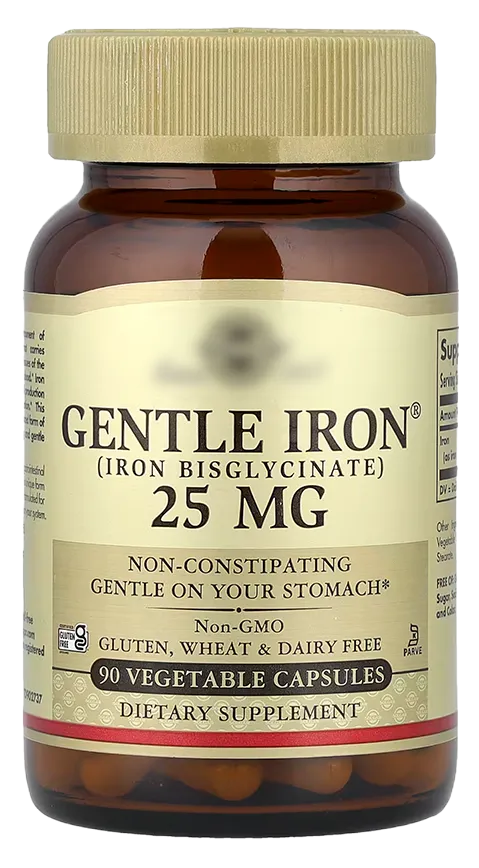
5: Gentle Iron
By Solgar
by Zhou

C-
RATING
PROS
Marketed as “gentle iron”
Non-GMO and gluten-free
CONS
Still uses a synthetic ferrous form (iron bisglycinate)
High dose (25 mg) despite “gentle” marketing
No clinical validation
Contains additives like cellulose and magnesium stearate
Misleading “gentle” label
The Bottom Line
Gentle Iron is marketed as a softer option, but it’s still a synthetic, ferrous-based supplement with a relatively high dose. The “gentle” label is misleading—it’s not significantly different from other mid-range options like THORNE.
The addition of additives like magnesium stearate and cellulose actually works against the “gentle” positioning, as these can irritate sensitive digestive systems.
2026’s Best Iron Supplement

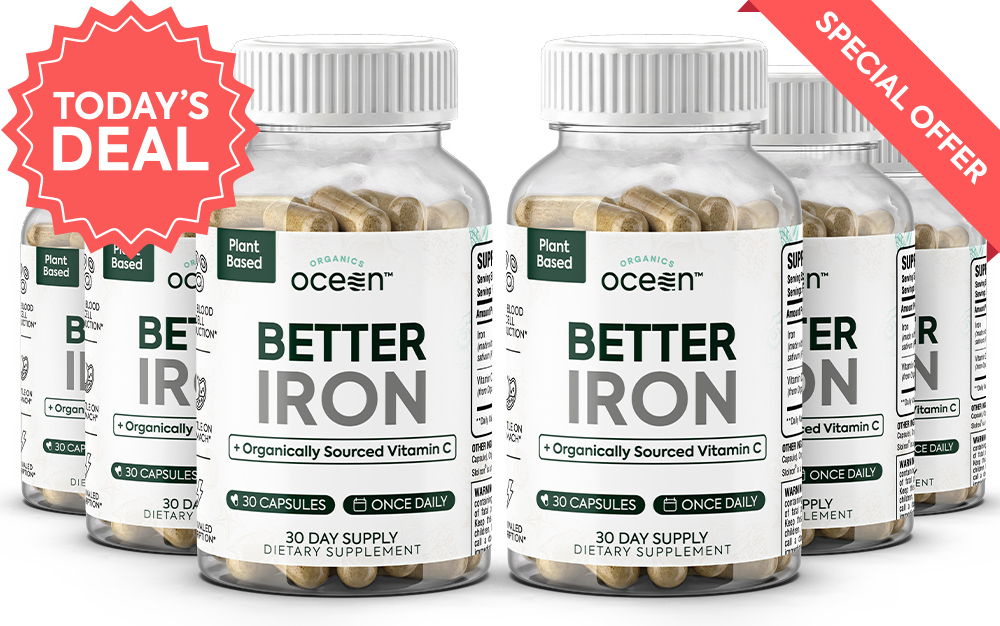
Better Iron
by Organics Ocean
Made in USA with organic, plant-based ingredients
10 mg of plant-based iron (SloIron®) from fermented organic peas
60 mg of Vitamin C from amla for optimal absorption
Clinically validated by 7 human studies
100% plant-based & vegan certified
No additives, fillers, or synthetic ingredients
Zero reported side effects (no constipation, no nausea)
Third-party lab tested for purity & potency
90-day money-back guarantee
Made in FDA/GMP certified facilities
Based on 4.9 Average Reviews
Tap to Get Promo Pricing
References
DISCLAIMER: This scientific research is for informational purposes only. The results reported may not necessarily occur in all individuals. Rain Media provides this information as a service but does not endorse it. This information should not be read to recommend or endorse any specific products.
Takeda, R., Kuriyama, Y., & Yoshida, Y. (2024). Restorative effect of bean ferritin iron on low hemoglobin level in premenopausal women with menstruation-induced anemia: A randomized, double-blind placebo-controlled intergroup trial. Functional Foods in Health and Disease. https://mail.ffhdj.com/index.php/ffhd/article/view/1331
Lampe, B. J., Dziwenka, M., & Hackel, V. P. (2025 ). Preclinical safety evaluation of SloIron CFTN-PS 5: A pea-derived ferritin product. Food and Chemical Toxicology. https://www.sciencedirect.com/science/article/pii/S0278691525000584
Duque, X., Martinez, H., Vilchis-Gil, J., Mendoza, E., et al. (2014 ). Effect of supplementation with ferrous sulfate or iron bis-glycinate chelate on ferritin concentration in Mexican schoolchildren: A randomized controlled trial. Nutrition Journal, 13, 71. https://pmc.ncbi.nlm.nih.gov/articles/PMC4107593/
Fernandez-Jimenez, M. C., Moreno, G., et al. (2020 ). Iron deficiency in menstruating adult women: Much more than anemia. Women's Health Reports. https://pmc.ncbi.nlm.nih.gov/articles/PMC7784796/
Greig, A. J., Patterson, A. J., Collins, C. E., et al. (2013 ). Iron deficiency, cognition, mental health and fatigue in women of childbearing age: A systematic review. Journal of Nutritional Science. https://www.cambridge.org/core/journals/journal-of-nutritional-science/article/iron-deficiency-cognition-mental-health-and-fatigue-in-women-of-childbearing-age-a-systematic-review/3026A1A86B764EEFC72E7179B7619
Zariwala, M. G., Somavarapu, S., Farnaud, S., et al. (2013 ). Comparison study of oral iron preparations using a human intestinal model. Scientia Pharmaceutica. https://pmc.ncbi.nlm.nih.gov/articles/PMC3867244/
Christides, T., Wray, D., McBride, R., Fairweather, R., et al. (2015 ). Iron bioavailability from commercially available iron supplements. European Journal of Clinical Nutrition. https://link.springer.com/article/10.1007/s00394-014-0815-8
Patel, M. N., Patel, N., & Maheshvari, J. (2025 ). Efficacy of plant-based iron and vitamin C in adults with iron deficiency anemia: A randomized, double-blind clinical study. Cureus. https://www.cureus.com/articles/419924-efficacy-of-plant-based-iron-and-vitamin-c-in-adults-with-iron-deficiency-anemia-a-randomized-double-blind-clinical-study.pdf
Lynch, S. R., & Cook, J. D. (1980 ). Interaction of vitamin C and iron. Annals of New York Academy of Sciences. http://www.coaching-for-health.net/eisenzentrum/studien/interaction.pdf
Teucher, B., Olivares, M., & Cori, H. (2004 ). Enhancers of iron absorption: Ascorbic acid and other organic acids. International Journal for Vitamin and Nutrition Research, 74(6), 403. https://econtent.hogrefe.com/doi/abs/10.1024/0300-9831.74.6.403
Venkatasubramanian, P., Koul, I. B., Varghese, R. K., et al. (2014 ). Amla (Phyllanthus emblica L.) enhances iron dialysability and uptake in in vitro models. Current Science. https://www.jstor.org/stable/24107831
Dziembowska, I., Kwapisz, J., Izdebski, P., et al. (2019 ). Mild iron deficiency may affect female endurance and behavior. Physiology & Behavior. https://www.sciencedirect.com/science/article/pii/S0031938418307972
SloIron Inc. (2025 ). SloIron: Plant-based ferritin iron ingredient. https://www.sloiron.com/
© Copyright 2026 Top5-Choices.com by Rain Media. All rights reserved.
This website is owned and operated by the Organics Ocean brand, under Rain Media.
This site and its products and services are not associated or affiliated with, nor endorsed by YouTube, Google, or related entities. They have not been reviewed or backed by YouTube or its affiliates. Causes of ailment or condition vary amongst individuals. It is important that each visitor perform due diligence before purchasing anything recommended by this site, and verify with the manufacturer any claim about the products or services they provide. Results mentioned in testimonials and references are real, but not typical. They are to be used as examples only. This site may contain affiliate links or other forms of compensation. [1] We have a financial relationship with some of our top picks and own the Organics Ocean brand.
*These statements have not been evaluated by the FDA Food & Drug Administration. These products are not intended to diagnose, treat, cure, or prevent any disease.